Restorative Care


Restorative Care

When decay or a small fracture affects a tooth, a filling is often the simplest, most effective way to restore its integrity. Modern tooth-colored (composite) fillings are made from advanced resin materials that are designed to mimic the translucency and shade of natural enamel. That combination of strength and esthetics allows a restored tooth to blend with the surrounding dentition while returning proper chewing function.
Beyond appearance, composite restorations are engineered to bond directly to the tooth surface. This adhesive connection can help stabilize weakened enamel and dentin and re-establish a reliable seal against bacteria. The result is a conservative repair that preserves more of the natural tooth than many older techniques.
At the office of Timberbrook Dental, we prioritize repairs that look natural and stand up to daily use. For many patients, composites offer the ideal balance: a discreet restoration that supports long-term oral health while requiring minimal alteration to the healthy portions of the tooth.
One of the main benefits of composite fillings is how conservatively they are placed. Because the material bonds to enamel and dentin, less healthy tooth structure needs to be removed during preparation. Preserving natural tooth material reduces stress on the tooth and can extend its functional lifespan compared with more invasive restorations.
Composite materials are also mercury-free and metal-free, making them a common preference for patients who want a more biocompatible option. The ability to precisely shade-match the resin to nearby teeth means restorations are subtle and do not draw attention when you smile or speak.
Durability has improved considerably: contemporary composites resist wear and withstand normal chewing forces when properly placed and maintained. Combined with regular examinations, bonded restorations offer a reliable solution for treating cavities and small defects while minimizing the need for larger interventions in the future.

When a cavity or defect is identified, the appointment begins with a careful assessment and any necessary local anesthesia to ensure comfort. Our team uses precise, minimally invasive techniques to remove only the decayed tissue while preserving healthy enamel and dentin. In many cases, the entire procedure can be completed during a single visit.
Once the area is prepared, the composite resin is applied in thin layers. Each increment is sculpted to re-create the tooth's natural contours and then hardened with a specialized curing light. Layering the material in this way improves strength, allows fine control over shape, and helps achieve a seamless match with adjacent teeth.
After curing, the new surface is refined and polished to create a smooth finish that feels comfortable in your mouth. We carefully check your bite (occlusion) and make adjustments as needed so the restoration functions harmoniously with your chewing pattern. Our approach emphasizes precision at every step to promote long-term success.
If dental anxiety is a concern, our team can discuss comfort options, including sedation dentistry when appropriate. We make it a priority to explain the process and answer questions so patients know what to expect before, during, and after treatment.
Right after treatment, it’s normal to experience temporary numbness from anesthesia; take care not to chew on lips, cheeks, or tongue until sensation returns. Mild sensitivity to hot or cold foods or brief tenderness when biting can occur as the tooth adapts to the new restoration. These symptoms typically ease over a few days to a couple of weeks.
If sensitivity persists beyond that timeframe, or if you notice sharp pain when biting down, contact our team so we can assess the restoration and make any necessary refinements. Occasionally a minor adjustment to the filling’s shape or occlusion solves bite-related discomfort quickly.
Long-term success depends largely on home care and routine dental visits. Daily brushing with fluoride toothpaste, regular flossing, and professional cleanings and exams help prevent recurrent decay at the margins of a filling. Regular monitoring by your dental team also allows early detection of wear or staining so repairs or replacements can be scheduled before more extensive treatment is required.
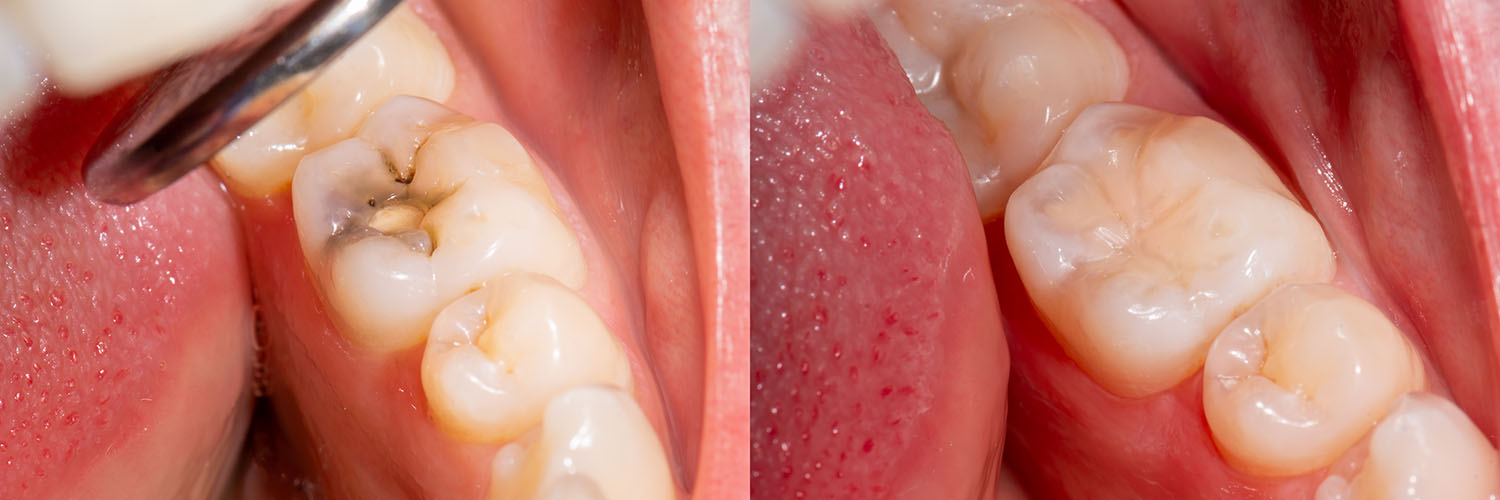
Composite fillings are an excellent option for small to moderate cavities and for repairing minor fractures. However, for very large defects or teeth with significant structural loss, alternatives such as inlays, onlays, or crowns may provide a stronger, longer-lasting restoration. These options can redistribute chewing forces more effectively and protect the tooth from fracture under heavy use.
Decisions about which restoration is most appropriate depend on factors including the size and location of the defect, the health of surrounding tooth structure, and your bite dynamics. During your consultation, your clinician will explain the options, outline the clinical reasoning behind recommendations, and describe what each treatment involves so you can make an informed choice.
Fillings require periodic review and, over many years, may need replacement due to wear, marginal breakdown, or recurrent decay. The timing for replacement varies with oral habits, diet, and the degree of stress the tooth experiences. Careful, individualized planning and consistent follow-up care help maximize the lifespan of any restoration.
When a filling reaches the end of its useful life or when a tooth develops new problems, modern restorative pathways give us many ways to preserve function and appearance. The goal is always to choose the least invasive option that reliably protects the tooth and supports your long-term oral health.
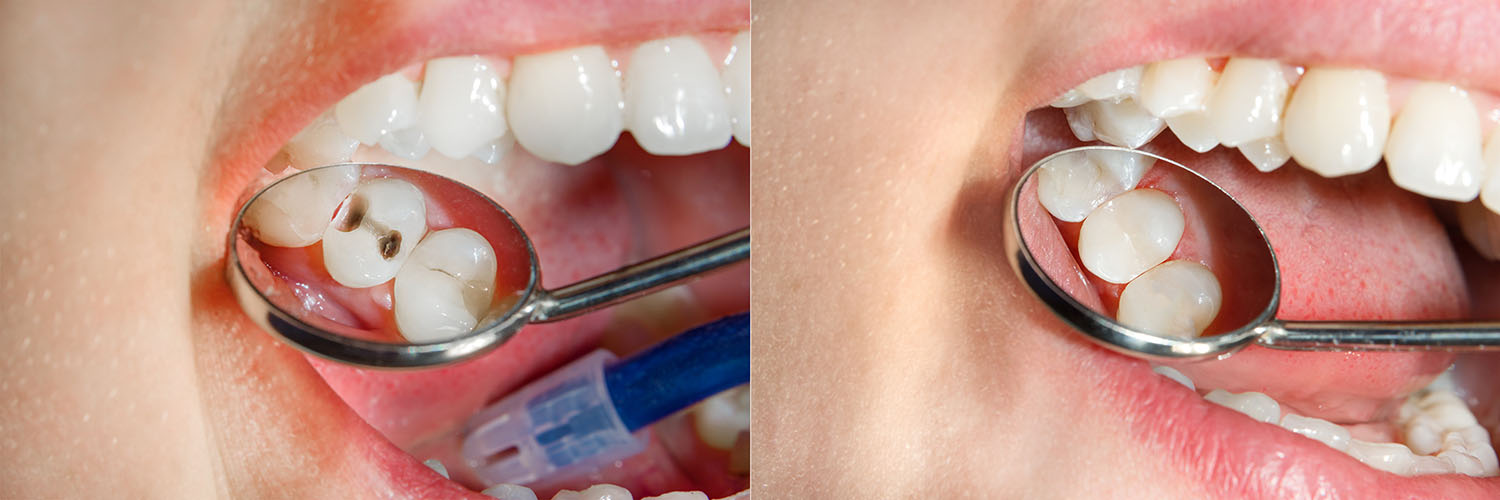
Our approach focuses on repairs that feel natural, look discreet, and help patients maintain healthy, comfortable smiles. If you have questions about cavities, composite restorations, or which option is right for you, our clinicians are available to explain the process in plain terms and guide you toward a solution that fits your needs and goals.
In summary, tooth-colored composite fillings provide a conservative, attractive way to treat decay and small defects while preserving healthy tooth structure. For personalized guidance about restorative options, please contact us to learn more about how Timberbrook Dental can help protect your smile.
Tooth-colored or composite fillings are restorations made from a resin-based material designed to match the shade and translucency of natural enamel. The material is placed in layers and cured with a specialized light to create a durable bond to the tooth. This adhesive connection helps restore form and chewing function while maintaining a discreet appearance.
The layered placement and bonding process also helps stabilize weakened tooth structure by supporting enamel and dentin at the margins of the repair. Composites can be shaped precisely to recreate natural contours and polished to a smooth finish that resists staining when properly maintained. Regular dental checkups allow your clinician to monitor the restoration and address any wear or marginal concerns early.
Composite fillings preserve more healthy tooth structure because they bond directly to enamel and dentin, often requiring less removal of sound tissue during preparation. They are mercury-free and metal-free, which many patients prefer for biocompatibility and esthetic reasons. The ability to shade-match composites produces restorations that blend with surrounding teeth and do not draw attention when you smile or speak.
Modern composites also show improved wear resistance and longevity compared with earlier generations, making them suitable for many small to moderate restorations. Because they bond to the tooth, composites can help distribute chewing forces more evenly and reduce the risk of fracture in some cases. With proper placement and regular maintenance, bonded restorations offer a conservative long-term solution for treating decay and minor defects.
A filling appointment typically begins with a careful assessment and any necessary local anesthesia to keep you comfortable. The clinician removes decayed tissue using precise, minimally invasive techniques and prepares the cavity while preserving healthy enamel and dentin. Composite resin is then applied in thin increments, sculpted to match the tooth's natural contours, and cured with a light to build strength and shape.
After the material is hardened, the restoration is refined and polished to create a smooth, comfortable surface and the bite is checked and adjusted as needed. Many simple fillings can be completed in a single visit, and your clinician will explain aftercare and answer questions before you leave. If dental anxiety is a concern, your team can discuss comfort options so you feel informed and supported throughout the appointment.
Most routine fillings require only local anesthesia to numb the treatment area, which makes the procedure comfortable for the vast majority of patients. The injection itself is typically quick and well tolerated, and modern techniques help minimize discomfort. If appropriate, topical numbing agents and a gentle approach help reduce any initial sensation.
For patients with significant dental anxiety or for more extensive restorative work, additional comfort options such as conscious sedation may be discussed. Your clinician will review medical history and explain the choices available so you can select the approach that feels safest and most comfortable for you. Clear communication before treatment helps ensure expectations are met and recovery is smooth.
After a filling, avoid chewing on the treated side until numbness has fully worn off to prevent accidental biting of the lip, cheek, or tongue. Maintain a routine of twice-daily brushing with fluoride toothpaste and daily flossing to reduce the risk of recurrent decay at the margins of the restoration. Gentle cleaning and avoiding very hard foods for a short time can help the new filling settle and minimize early wear.
Report any persistent sensitivity, sharp pain when biting, or a feeling that the bite is off so the clinician can assess and make minor adjustments if needed. Regular dental exams and professional cleanings allow your dental team to monitor restorations for wear, staining, or marginal breakdown and intervene early when necessary. Consistent home care combined with periodic professional checks helps maximize the lifespan of a filling.
The lifespan of a composite filling varies with factors such as the size and location of the restoration, your oral hygiene habits, diet, and biting forces, but many composites provide reliable service for several years. Small, well-placed restorations in low-stress areas tend to last longer than large restorations on teeth that experience heavy wear. Regular monitoring by your dental team helps identify early signs of wear, marginal staining, or recurrent decay.
Fillings are replaced when they show significant wear, marginal breakdown, recurrent decay, or when a tooth develops new structural concerns. Your clinician will discuss options if a replacement is needed, which may include a new filling, an inlay/onlay, or a crown depending on the extent of damage. Timely evaluation and conservative decision-making aim to preserve natural tooth structure while restoring function and comfort.
For very large cavities or teeth with extensive structural loss, inlays, onlays, or crowns are often better choices because they can redistribute chewing forces and protect the remaining tooth more effectively. These indirect restorations are fabricated outside the mouth from stronger materials and then bonded or cemented into place to restore both form and strength. When a tooth’s cusps or core are compromised, a crown can provide full coverage and long-term protection that a direct filling cannot.
The decision between a filling and an indirect restoration depends on the size and location of the defect, the health of the remaining tooth structure, and your bite dynamics. Your clinician will explain the clinical reasoning behind recommendations and outline what each treatment involves so you can make an informed choice. The goal is always to select the least invasive option that reliably preserves tooth function and prevents future complications.
Mild sensitivity to hot, cold, or pressure after a filling is common as the tooth adapts to the new restoration and the effects of local anesthesia wear off. Symptoms usually subside over days to a couple of weeks as the pulpal tissues recover and the restoration settles. Over-the-counter analgesics, avoiding extreme temperatures, and using a desensitizing toothpaste can help manage temporary sensitivity.
If sensitivity persists beyond a few weeks or if you experience sharp pain when biting, contact your dental team so the restoration and bite can be assessed. Occasionally a minor adjustment to the filling shape or occlusion resolves the issue quickly, while prolonged symptoms may require further diagnostic evaluation. Prompt attention ensures problems are addressed early and helps prevent more advanced treatment if the tooth is compromised.
The bonded interface created between composite resin and tooth structure helps stabilize weakened enamel and dentin by creating a unified assembly that distributes forces across the restoration. This adhesive approach allows clinicians to conserve healthy tooth material during preparation, which reduces structural stress and helps preserve the tooth's long-term integrity. By sealing margins effectively, bonding also reduces the risk of bacteria infiltration and recurrent decay.
Bonded restorations allow precise shaping and contouring, which contributes to improved function and a natural appearance. When combined with good home care and periodic professional review, the adhesive properties of composites support durable repairs that are both conservative and esthetic. Your dental team will select bonding protocols and materials appropriate to the tooth's needs to optimize outcomes.
Clinical decisions begin with a thorough assessment of the affected tooth, which includes clinical examination, radiographic evaluation when indicated, and discussion of your symptoms and functional needs. The clinician evaluates the size and location of the defect, the condition of surrounding tooth structure, your bite dynamics, and overall oral health before recommending an option. This individualized approach helps prioritize treatments that conserve tooth structure while restoring reliable function.
At Timberbrook Dental, Dr. Parita Patel and the team emphasize clear communication so patients understand the rationale behind recommendations and what each treatment entails. The goal is to present conservative alternatives whenever appropriate and to select materials and techniques that align with your long-term oral health goals. If you have questions about restorative choices, the practice will explain options and next steps so you can make an informed decision.
Quick Links
Contact Us
