General Dentistry


General Dentistry

Tooth removal is never the first option, but when it becomes necessary, it’s an important step toward preserving a patient’s long-term oral health. At Timberbrook Dental, we approach extractions with a focus on clarity and comfort: explaining why a tooth must come out, outlining what the procedure will involve, and planning what comes next so your smile remains healthy and functional.
Deciding to extract a tooth usually follows a careful evaluation that balances immediate symptoms, the condition of the tooth, and how it affects surrounding teeth and tissues. Our priority is to prevent complications such as infection, shifting teeth, or damage to bite alignment. When extraction is recommended, it’s because removing the tooth is the most predictable way to protect your overall oral wellbeing.
Patients often worry about pain, recovery, and the need for replacement teeth. We address these concerns up front, reviewing medical history, imaging, and any special considerations so you can make an informed decision. Our goal is to make the process as straightforward and stress-free as possible while maintaining the highest standards of care.
An over-retained baby tooth that blocks a permanent tooth
Primary teeth normally loosen and fall out as permanent teeth erupt. When a baby tooth remains firmly attached—because its roots failed to resorb or it has become fused to bone—it can interfere with normal development. Removing an over-retained primary tooth can allow the permanent tooth to erupt properly and help avoid future alignment problems.
A permanent tooth that cannot be restored
Decay that extends deep into a tooth, or structural damage that leaves insufficient healthy material to support a crown or filling, can make restoration impractical. In those cases, extraction prevents ongoing infection and pain and sets the stage for a planned replacement that restores function.
Severe fracture or root damage
Teeth can suffer complex fractures that compromise root integrity or leave too little usable structure above the gum line. When repair would be unreliable or would compromise adjacent teeth, carefully removing the damaged tooth is often the safest path forward.
Advanced periodontal disease
Periodontal disease destroys the tissues that support teeth—gums and the underlying bone. When bone loss and attachment breakdown reach a point where a tooth is loose or painful, extraction may be necessary to protect neighboring teeth and control the spread of infection.
Impacted or problematic wisdom teeth
Third molars often lack space to erupt normally. Impacted wisdom teeth can cause crowding, decay, gum irritation, or damage to adjacent molars. Removing problematic third molars at an appropriate time can prevent acute issues and preserve the health of surrounding teeth.
Extractions as part of orthodontic planning
When the jaw has limited space, removing selected permanent teeth can be a deliberate part of orthodontic treatment to create room for predictable alignment and a stable bite. These decisions are made in concert with an orthodontic treatment plan focused on long-term function and esthetics.

An extraction begins with a detailed review of your medical and dental history, current medications, and any conditions that could affect treatment. We take digital radiographs to evaluate root shape, bone levels, and the relationship between the tooth and surrounding structures. This assessment helps us choose the safest approach and anticipate potential challenges.
After the examination, we’ll discuss anesthesia and sedation options to manage discomfort and anxiety. Local anesthesia is standard for most extractions, and additional sedation can be arranged when needed to help patients feel calm and relaxed. If you have complex medical issues, we’ll coordinate care with your physician to ensure safety.
There are two broad categories of extraction. Simple extractions are performed when the tooth is visible and root anatomy is straightforward. Surgical extractions are reserved for teeth that are broken below the gum line, fused to the bone, or impacted. Regardless of type, our approach emphasizes precise technique and gentle handling to promote smoother healing and reduce complications.
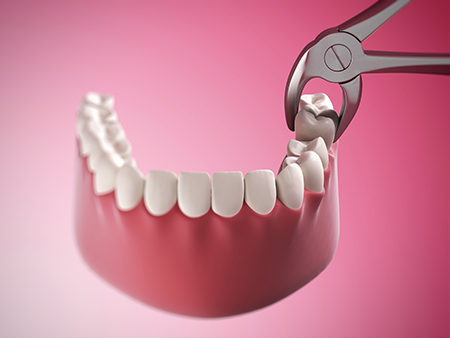
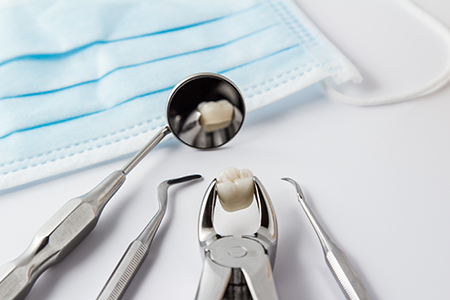
Simple extractions are commonly performed in the dental office. Once the area is thoroughly numbed, the tooth is loosened by breaking the fibers that hold it in place and then removed using dental instruments. Most patients experience minimal discomfort during the procedure thanks to local anesthesia, and many return to normal activity quickly.
We take time to explain each step of the procedure and what to expect afterward, including temporary numbness and mild swelling. If necessary, sutures may be placed to help soft tissue heal. Before you leave, we provide clear aftercare instructions and discuss options for replacing the tooth, if applicable.
Surgical extraction is required when access to the tooth is limited or the tooth is in an unusual position. The dentist or an oral surgeon may make a small incision, remove a bit of bone, or section the tooth to facilitate removal. These procedures are performed with adequate anesthesia and with careful attention to minimizing trauma.
After a surgical extraction, the recovery period may be a bit longer than for a simple extraction. We provide tailored post-operative guidance, pain-control strategies, and follow-up care to monitor healing and address any concerns promptly. Coordination with an oral and maxillofacial specialist may be recommended for particularly complex cases.
Healing after an extraction follows a predictable course, but each patient’s experience is unique. The first 24 to 72 hours are the most important for clot formation and reducing swelling. Following our post-operative instructions carefully helps minimize complications and speeds recovery.
If you were given prescriptions—such as antibiotics or pain medication—take them exactly as directed. For most routine cases, over-the-counter pain relievers are sufficient and can be taken proactively before the local anesthetic wears off. Avoid actions that could disturb the healing site during the early days.
Keep an eye on symptoms: increasing pain, prolonged heavy bleeding, fever, or a persistent bad taste can signal an issue that requires attention. In such cases, contact our office for evaluation so we can advise the next steps and provide timely care.
Maintain gentle pressure with gauze
Bite on the gauze pad placed over the extraction site to help a stable clot form. Change the gauze as instructed, and remain seated upright for the first few hours to reduce bleeding. Some light oozing is normal for up to 24 hours.
Protect numb tissues
Avoid chewing or touching the numb area until feeling returns. Accidental biting of the lip or tongue can cause trauma while the anesthetic is active.
Follow medication guidance
Take antibiotics exactly as prescribed when they are recommended. For pain control, use the suggested over-the-counter options or take prescription medications only as directed and avoid driving if sedatives were used.
Protect the clot
Refrain from rinsing vigorously, spitting, using a straw, or smoking for several days. These actions can dislodge the clot and lead to a painful condition called dry socket.
Manage swelling
Apply an ice pack to the outside of your cheek intermittently during the first 24 hours to reduce swelling. Keep head elevation while resting for the first night.
Easier foods and hydration
Stick to cool or room-temperature soft foods for the first couple of days and drink plenty of fluids. Avoid hard, crunchy, or spicy foods that could irritate the healing site.
Gentle oral hygiene
Continue brushing teeth with care, keeping the extraction area free from direct brushing for a short time. After 24–48 hours, gentle saltwater rinses can help keep the area clean without disturbing healing tissues.
Follow-up care
If sutures were placed or the extraction was complex, we will schedule a follow-up visit to evaluate healing and remove stitches if needed. Keeping this appointment helps ensure a smooth recovery.
If you notice increasing pain, persistent heavy bleeding, swelling that worsens after 48–72 hours, or any other concerning signs, contact our office for an evaluation so we can address the issue promptly.
After healing, restoring the missing tooth is an important consideration for function and appearance. Replacement choices include removable dentures, fixed dental bridges, and dental implants. Each approach has specific benefits, and the best option depends on your oral health, the number of missing teeth, and long-term goals.
Dental implants are often recommended for their durability and ability to preserve adjacent bone. They act like artificial tooth roots and support crowns or bridges, restoring chewing efficiency and a natural appearance. For some patients, bridges or partial dentures provide an efficient and effective alternative depending on the clinical situation.
We discuss timing for replacement, whether immediate or delayed, and develop a plan that balances healing, convenience, and long-term oral health. Our team will review the pros and cons of each option so you can choose the solution that fits your needs and lifestyle.
At Timberbrook Dental, our emphasis is on thoughtful, individualized treatment—clear communication, careful technique, and attention to comfort at every step. We work to minimize stress and maximize predictable outcomes, coordinating with specialists when a case requires advanced surgical expertise.
Patients benefit from our comprehensive approach: thorough diagnostics, conservative decision-making, and practical post-operative support. Whether you require a straightforward extraction or a more complex surgical procedure, our team provides consistent, compassionate care focused on your recovery and long-term oral health.
We understand extractions can feel daunting. Our promise is straightforward: honest guidance, skilled treatment, and a recovery plan tailored to your needs so you can return to the activities you enjoy with confidence.
For more information about tooth extractions or to discuss your treatment options, please contact us. Our team is ready to answer questions and help you determine the best path forward for your smile.
Extractions are recommended when a tooth endangers oral health and cannot be reliably restored. Common reasons include severe decay that compromises the tooth structure, advanced periodontal disease that weakens supporting bone, irreparable root damage, or an over-retained primary tooth that blocks normal development. Impacted wisdom teeth that cause crowding, recurrent infection, or damage to neighboring teeth are also frequent candidates for removal.
Before recommending extraction, the dentist evaluates symptoms, takes digital radiographs, and reviews your medical history to weigh alternatives. The goal is to choose the most predictable path for preserving overall function and preventing future complications. When removal is advised, the plan includes clear steps for anesthesia, the procedure itself, and post-extraction care or replacement options.
Preparation begins with a thorough review of your medical history and current medications so the team can plan safe anesthesia and antibiotic coverage if indicated. Follow any pre-appointment instructions about fasting or arranging transportation when sedation is planned, and bring a list of questions or concerns so they can be addressed beforehand. If you have a complex medical condition, the office may coordinate with your physician to ensure the extraction proceeds safely.
On the day of the procedure, wear comfortable clothing and avoid smoking prior to the appointment, as tobacco use can affect anesthesia and healing. If you use nicotine replacement or other substances, disclose that to your provider so they can advise appropriately. Arriving a few minutes early helps ensure paperwork and imaging are complete before treatment begins.
Most extractions are performed using local anesthesia to numb the area so patients feel minimal to no pain during the procedure. For patients with anxiety, complex surgical needs, or longer procedures, additional sedation options such as oral sedatives or nitrous oxide may be offered to promote relaxation. In cases that require advanced anesthesia, coordination with an oral and maxillofacial specialist may provide deeper sedation or general anesthesia in a controlled setting.
Your medical history and the complexity of the extraction guide the choice of anesthetic and sedative agents, and the dentist will explain risks and benefits before proceeding. The team monitors you throughout the appointment and provides recovery instructions tailored to the type of sedation used. If sedation is provided, plan for a responsible adult to drive you home and remain with you as advised.
Simple extractions are performed on teeth that are fully visible in the mouth and have straightforward root anatomy; they are commonly completed in the dental office after the area is numbed. The tooth is loosened and removed with dental instruments, and sutures are rarely needed unless soft tissue management is required. Recovery after a simple extraction is typically quicker and involves standard at-home care for a short period.
Surgical extractions are necessary when a tooth is broken below the gum line, impacted, or in an unusual position that limits access. These procedures may involve a small incision, removal of a bit of bone, or sectioning the tooth to facilitate safe removal and are performed with appropriate anesthesia. Surgical cases often require more detailed post-operative instructions, possible sutures, and a slightly longer healing period to ensure optimal recovery.
During the first three days after extraction, protecting the blood clot and minimizing disturbance to the site are the primary goals to promote healing. Bite on gauze as instructed to maintain gentle pressure, avoid vigorous rinsing or using straws, and refrain from smoking, which can dislodge the clot and increase risk of complications. Keep your head elevated and apply intermittent ice to control swelling during the first 24 hours.
Take medications exactly as prescribed or recommended, using over-the-counter pain relievers proactively when appropriate and following guidance about antibiotics if they were prescribed. Stick to soft, cool or room-temperature foods for the first few days and maintain gentle oral hygiene, avoiding direct brushing over the socket until healing permits. If you were given sutures or a follow-up appointment, be sure to attend so the provider can monitor progress and remove stitches if needed.
Most extractions heal without issue, but potential complications include prolonged bleeding, infection, dry socket (alveolar osteitis), and swelling that worsens after the initial period. Dry socket typically presents as increasing pain several days after extraction and may produce a persistent bad taste or odor; it usually requires an in-office evaluation and targeted treatment. Signs of infection include fever, spreading swelling, increasing redness, or drainage from the extraction site.
Contact the office promptly if you experience heavy bleeding that does not respond to pressure, severe uncontrolled pain, high fever, or any sudden change in breathing or swallowing. The dental team will assess symptoms, provide guidance for pain control, and schedule an urgent visit if necessary to manage complications. Early evaluation helps prevent more serious issues and supports a smoother recovery.
Initial soft-tissue healing usually occurs within one to two weeks, with the most significant discomfort and swelling resolving in the first 48 to 72 hours. Bone remodeling and complete soft-tissue maturation take longer, often several weeks to a few months depending on the complexity of the extraction. Individual healing timelines vary based on age, overall health, smoking status, and whether the extraction was simple or surgical.
Many patients can resume light daily activities within 24 to 48 hours, but strenuous exercise and heavy lifting should be avoided for at least a few days to prevent increased bleeding or swelling. Follow the specific instructions provided by your dentist regarding activity restrictions and medication use. If you have concerns about persistent symptoms or your recovery timeline, contact the office for personalized advice.
Replacing an extracted tooth is an important consideration for function, appearance, and long-term oral health, and timing depends on the clinical situation and healing. Options include dental implants, fixed bridges, or removable partial dentures, each with distinct benefits and requirements. Implants preserve jawbone by acting like an artificial root and are often recommended for long-term stability, but they require adequate bone and a healing period before final restoration.
The dentist will discuss immediate versus delayed replacement depending on infection risk, bone quality, and your overall treatment plan, and will coordinate restorative care to achieve the best functional and esthetic outcome. If an implant is planned, the team will outline the sequence of surgery, healing intervals, and prosthetic steps. For bridgework or dentures, preparatory treatments and timing are arranged to ensure comfort and predictable results.
Yes. Extractions are sometimes an integral part of orthodontic planning to create space for proper alignment or to correct bite relationships. Decisions about removing teeth for orthodontics are made collaboratively between the general dentist and orthodontist, with careful consideration of long-term facial balance and functional stability. In some cases, preserving a tooth or using alternative approaches may be preferable, so a comprehensive evaluation helps guide the best course.
Extractions may also influence future restorative options, such as implant placement or bridge design, by altering bone volume and adjacent tooth positions. If you anticipate orthodontic treatment or major restorative work, discuss long-term goals with your dental team so extraction timing and technique support subsequent procedures. Proper planning ensures extractions contribute to overall treatment success rather than complicating future care.
At Timberbrook Dental, the emphasis is on clear communication, careful diagnostics, and individualized treatment planning to ensure extractions are performed safely and with minimal stress. The team uses digital imaging and evidence-based protocols to evaluate each case, discuss anesthesia and sedation options, and coordinate with specialists when advanced surgical expertise is needed. Patients receive detailed pre- and post-operative instructions to support predictable healing and recovery.
The practice focuses on conservative decision-making and long-term outcomes, including thoughtful planning for tooth replacement when indicated. Whether an extraction is straightforward or complex, the goal is to protect surrounding teeth and tissues while restoring oral function. If you have questions about extraction options or the care process, the team can provide an individualized consultation to help you make an informed choice.
Quick Links
Contact Us
