General Dentistry


General Dentistry

At the office of Timberbrook Dental, we take a thoughtful, child-centered approach to oral health. Our goal is to help families build positive dental habits early so children grow up with strong, healthy smiles. Pediatric dentistry is about prevention, education, and compassionate care—delivered in a way that respects both a child’s development and a parent’s concerns.

Healthy teeth begin with consistent routines. Teaching children how to brush and floss, explaining why those habits matter, and reinforcing them with age-appropriate tools and techniques sets the stage for oral wellness that lasts a lifetime. We focus on practical strategies that fit into family life so care feels doable, not intimidating.
Prevention is more than periodic cleanings. It includes tailored guidance about diet, sleep habits that affect dental health, and when to introduce fluoride or dental sealants. Our approach emphasizes small, sustainable changes that lower the risk of decay and make dental visits something a child can handle with confidence.
Parents are essential partners in pediatric care. We provide straightforward coaching on how to supervise brushing, when to transition responsibility to a child, and how to turn daily hygiene into a positive ritual instead of a battle. This collaborative, supportive approach helps children adopt healthy behaviors early and keeps them on track as their smiles develop.
We also encourage conversations that normalize dental visits. Simple language, predictable routines in the operatory, and a calm, respectful manner help reduce fear and build trust. Over time, these interactions create a foundation for a lifetime of cooperative care and better oral outcomes.
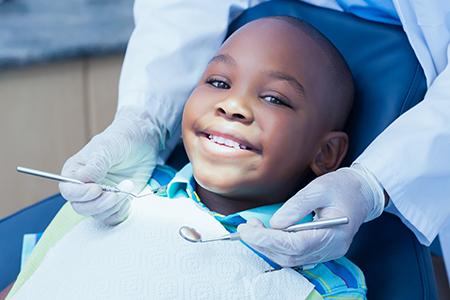
Regular checkups are the backbone of pediatric dental care. During an exam, the dentist examines teeth, gums, bite alignment, and oral structures while taking time to listen to parents about any concerns. These visits often include a gentle cleaning, brief coaching on home care, and a discussion about developmental milestones that may affect oral health.
Digital X-rays are used selectively and only when needed to see below the surface—detecting cavities between teeth, monitoring the growth of permanent teeth, or checking for early signs of problems. Because early detection expands treatment options, this diagnostic step helps us intervene earlier and more conservatively when necessary.
Each appointment is also an opportunity to personalize recommendations. Depending on age and risk factors, we may discuss fluoride varnish, timing for sealants, or the need for habit counseling. Care plans focus on preserving function and comfort while minimizing invasive procedures whenever possible.
Tooth decay remains one of the most common pediatric health issues, but it is largely preventable. Protecting enamel starts with daily hygiene, limiting sugary snacks and drinks, and introducing protective treatments when appropriate. Fluoride varnishes and dental sealants provide additional defense against decay on vulnerable surfaces, especially as permanent molars erupt.
We emphasize practical, family-friendly nutrition advice—swapping frequent sugary beverages for water, choosing tooth-friendly snacks, and understanding how timing and frequency of sugar exposure influence decay risk. Small dietary changes can meaningfully reduce a child’s lifetime risk of cavities.
Behavioral approaches also matter. Helping children move past pacifiers or thumb-sucking at the right developmental window, and teaching safe habits during play and sports, reduce the chances of dental problems that require extensive care later on. A proactive, consistent approach helps keep smiles strong through childhood and adolescence.
A child’s facial growth and tooth alignment evolve over many years. During routine visits we monitor jaw development, the sequence of tooth eruption, and any signs that alignment may be compromised. Observing these patterns early makes it possible to recommend timely evaluations or interceptive measures when needed.
Orthodontic issues often reveal themselves before all permanent teeth are present. When early intervention could simplify future treatment or improve function, we discuss options and coordinate care with orthodontic specialists. Our goal is to guide families through decisions that support long-term oral health and a balanced bite.
Nutrition, airway health, and oral habits all influence facial development. We consider the whole child—sleep patterns, breathing, and even nutrition—when assessing growth. This comprehensive view helps identify contributors to orthodontic needs and supports coordinated solutions that address the root causes, not just the symptoms.

Active children are occasionally prone to dental injuries and sudden toothaches. Knowing how to respond can make a big difference in the outcome. For example, if a permanent tooth is knocked out, prompt action increases the chance of saving it; if a baby tooth is fractured or causing pain, timely evaluation prevents infection and broader complications.
Our team treats injuries and urgent problems with calm efficiency, prioritizing comfort and function. We focus on stabilizing the situation, managing pain, and planning follow-up care that restores oral health with the least disruption to a child’s life. Clear communication and practical guidance for caregivers are central to every emergency visit.
Prevention remains the best emergency strategy. Properly fitted mouthguards for contact sports, supervision during activities that pose dental risk, and early treatment of cavities reduce the likelihood of acute problems. When accidents do occur, families can expect prompt, skilled care designed to get children back to their routines as quickly and safely as possible.
Baby teeth play essential roles in chewing, speech development, and guiding permanent teeth into place. Dental care should begin early—around the first birthday or when the first tooth appears—so parents receive tailored advice on cleaning techniques, teething comfort measures, and safe feeding practices that protect emerging teeth.
Simple at-home strategies—such as wiping gums after feedings, offering water instead of sugary drinks in a bottle, and using age-appropriate brushes and tiny amounts of toothpaste—go a long way in preventing early decay. We work with families to create routines that suit their child’s developmental stage and family life.
Teething can be uncomfortable but is usually manageable with gentle, safe measures. When parents are concerned about patterns of pain or an unusual eruption sequence, an early dental visit helps rule out issues and provides reassurance. Our team aims to make these first experiences positive and instructive for both child and caregiver.
In summary, pediatric dentistry blends prevention, education, and compassionate treatment to support healthy smiles through childhood and adolescence. Our practice emphasizes practical guidance, early detection, and minimally invasive care so families can feel confident about their child’s oral health. For more information or to discuss your child’s needs, please contact us for more information.
Your child should see a dentist by their first birthday or within six months of the first tooth erupting, whichever comes first. Early visits allow the dentist to check growth and development, identify risk factors for decay, and offer guidance that supports healthy habits. Introducing the dental office at a young age helps children become familiar with the environment so future visits feel routine rather than intimidating.
At that appointment the dentist or hygienist will perform a gentle exam, demonstrate safe cleaning techniques for parents, and answer questions about feeding, teething, and daily care. These visits are brief and focused on prevention and education so families leave with clear steps to protect baby teeth. Regular early care lays the foundation for lifelong oral health and reduces the need for more invasive treatment later on.
Start daily tooth care as soon as the first tooth appears by wiping gums and then brushing with a soft child-sized toothbrush and a smear of fluoride toothpaste. Supervise brushing until a child can reliably manage two minutes twice a day, and introduce flossing when teeth begin to touch to clean between surfaces. Modeling positive behavior, using a timer, and turning hygiene into a predictable part of the day make habits easier to adopt.
Keep instructions simple and age-appropriate by using short, encouraging language and letting children choose their toothbrush or a fun cup for rinsing. Avoid power struggles by offering choices within structure, such as which brush to use or which song to play during brushing. Consistent routines combined with clear parental supervision help children take responsibility for their oral health as they grow.
Routine visits typically include a gentle clinical exam of the teeth, gums, bite, and oral structures along with a professional cleaning or polish when appropriate. The dentist assesses development, looks for early signs of decay, and reviews feeding, hygiene, and developmental milestones that can affect oral health. These visits are also an opportunity for parents to ask questions and receive tailored advice about home care and prevention.
When indicated, the team may use selective digital X-rays to evaluate areas not visible to the eye, such as between teeth or the status of unerupted permanent teeth. The clinician will discuss age-appropriate preventative treatments like topical fluoride varnish or the timing of sealants for molars based on individual risk. Follow-up recommendations are personalized to preserve function and comfort while minimizing invasive procedures whenever possible.
Dental professionals use digital X-rays selectively and only when necessary to diagnose problems that cannot be seen during a visual exam, such as cavities between teeth or developing permanent teeth. Modern digital sensors greatly reduce radiation exposure compared with older film techniques, and protective measures like lead aprons and proper techniques further limit risk. The diagnostic benefit of targeted X-rays usually outweighs the minimal exposure when they are used appropriately to guide care.
Topical fluoride applications, such as varnish, are a standard preventative measure supported by dental guidelines to strengthen enamel and reduce the risk of cavities. Fluoride is applied in small, controlled amounts by the dental team and discussed in the context of a child’s overall fluoride exposure from toothpaste and drinking water. Your dentist will recommend the safest, most effective approach based on age, cavity risk, and individual needs.
Dental sealants are most commonly recommended when a child’s primary or permanent molars erupt, because the grooves on chewing surfaces can trap food and bacteria and are harder for a child to clean thoroughly. Sealants create a protective barrier over vulnerable pits and fissures, lowering the chance of decay on those surfaces. The timing for sealants is individualized and based on a child’s risk of cavities and the stage of tooth eruption.
Placing a sealant is a quick, painless procedure that typically requires cleaning and drying the tooth before bonding the resin material to the chewing surface. Sealants can last many years with routine care and periodic checks at dental visits, and the dentist will monitor them during regular exams to determine if touch-ups or reapplication are needed. Families receive guidance on maintaining sealants through effective home hygiene and diet choices.
Dental anxiety is common in children, and a child-centered approach that emphasizes calm communication, predictability, and gradual exposure helps reduce fear over time. Clinicians often use techniques such as tell-show-do, distraction, and positive reinforcement to explain procedures in simple terms and build trust during each step. Familiar routines in the operatory and parental involvement when appropriate make visits feel safe and manageable for most children.
When a child’s anxiety is more pronounced, the team will work with families to create a personalized plan that may include shorter visits, desensitization strategies, or scheduling at a time when the child is rested and cooperative. In cases where additional support is necessary, the dentist will discuss all clinically appropriate behavior management options and coordinate care to prioritize the child’s comfort and safety. At Timberbrook Dental, Dr. Parita Patel and the team focus on compassionate, unhurried care to help children gain confidence in the dental chair.
For a knocked-out permanent tooth, quick action can make a significant difference: handle the tooth by the crown, avoid touching the root, rinse it gently if dirty, and attempt to reinsert it into the socket if the caregiver is comfortable doing so. If reinsertion is not possible, store the tooth in milk or saline and seek emergency dental care immediately because timely treatment improves the chance of saving the tooth. For injuries to baby teeth or fractures, contact the dental office promptly so the team can evaluate risks and recommend appropriate care.
During an emergency visit the dental team focuses on stabilizing the situation, managing pain, and creating a follow-up plan to restore function and prevent infection. Protective measures like mouthguards and supervision during high-risk activities help reduce the likelihood of traumatic dental injuries. If an injury occurs outside office hours, seek urgent medical or dental care as directed by your provider and follow up with your regular dental team for ongoing assessment.
Pediatric dental visits include assessment of facial growth, jaw relationships, tooth eruption sequence, and habits that can influence alignment, such as thumb-sucking or prolonged pacifier use. Early monitoring helps the dentist identify patterns that may benefit from interceptive measures to guide development and simplify future orthodontic treatment. Observing these factors over time makes it possible to recommend timely referrals when specialty orthodontic evaluation may improve long-term outcomes.
The dental team considers the whole child when evaluating growth, including breathing patterns, sleep concerns, and nutrition, because these factors can affect facial development and occlusion. When early intervention is indicated, the practice coordinates care with orthodontic or medical specialists to address underlying contributors rather than focusing solely on visible symptoms. This collaborative approach supports balanced jaw development, proper function, and a healthy bite as the child matures.
Reducing cavity risk starts with limiting frequent exposure to sugary foods and drinks, encouraging water between meals, and offering tooth-friendly snacks like fresh fruits, vegetables, and cheese. The timing and frequency of sugar intake matter more than occasional treats, so families can reduce risk by avoiding prolonged sipping of sweetened beverages and by offering sweets with meals when saliva production is higher. Consistent brushing with fluoride toothpaste and routine dental visits complement dietary habits to protect enamel.
Simple at-home practices such as wiping gums after feedings for infants, using a cup instead of a bottle for sweetened liquids, and supervising brushing until the child can perform it properly help prevent early childhood decay. The dentist can provide personalized guidance on nutrition, fluoride use, and preventative treatments like varnish or sealants based on your child’s specific risk factors. These combined strategies make a meaningful difference in maintaining healthy teeth through childhood.
Children who participate in contact, collision, or high-speed recreational sports should wear a mouthguard to protect against dental injuries and oral trauma. Custom-fitted mouthguards made by a dental professional offer the best protection, comfort, and retention because they are molded to a child’s teeth and bite. Boil-and-bite options are an improvement over stock guards but may not fit as precisely as a professionally fabricated appliance.
Mouthguards should be replaced as a child grows, typically whenever a dental visit shows significant changes in the bite or eruption of new teeth. Proper care includes rinsing or brushing the guard after use, storing it in a ventilated container, and having it checked during routine dental exams. Using a well-fitting mouthguard along with appropriate coaching and supervision reduces the chance of serious dental injuries during play.
Quick Links
Contact Us
