General Dentistry


General Dentistry

When a dentist recommends a root canal, it’s understandable to feel nervous—but it’s rarely the emergency many imagine. Modern root canal treatment is a predictable, tooth-preserving procedure that relieves deep pain and removes infection while keeping your natural tooth in place. Compared with extraction and replacement, saving the tooth is often the simplest way to preserve chewing function and the shape of your smile.
At the office of Timberbrook Dental, we combine careful diagnosis with contemporary techniques to make the experience as comfortable and efficient as possible. Patient comfort, clear explanations, and thoughtful follow-up are central to how we approach root canal care so patients can make informed choices about their oral health.
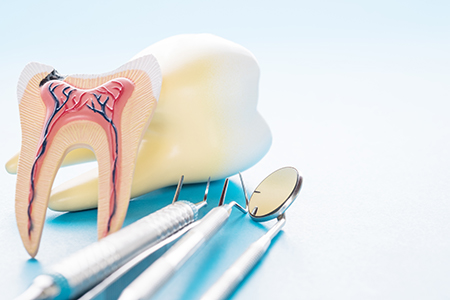
Every tooth contains a soft core of tissue — the dental pulp — that houses nerves and blood vessels. That pulp helps a tooth develop and provides sensory feedback. When decay, a deep fracture, or trauma reaches this internal tissue, it can become inflamed or infected. At that point, a root canal is the standard treatment to remove the damaged pulp, eliminate infection, and prevent further spread.
Symptoms that often point to pulpal involvement include persistent toothache, prolonged sensitivity to hot or cold, pain when biting, or a tooth that looks darker than the others. Sometimes an infection produces swelling near the gumline or a small bump (a sinus tract) that drains. Other times, x-rays reveal an infection before you even notice symptoms.
Not every ache signals a need for root canal therapy, and our goal is always to distinguish reversible sensitivity from problems that require treatment. A careful clinical exam and targeted radiographs allow us to determine whether the pulp can recover, needs treatment, or if extraction is the better option in rare cases.
Although tooth pain can stem from several causes, some warning signs commonly indicate the need for root canal therapy:
Severe, lingering pain — especially pain that wakes you from sleep — often means the nerves inside the tooth are seriously irritated or infected. This is one of the clearest reasons to seek prompt dental attention.
Brief sensitivity to hot or cold is common, but when sensations persist long after exposure or become more intense, the underlying pulp may be inflamed or dying and should be evaluated.
Discomfort when chewing or when the tooth is tapped often indicates that pressure on the tissues inside the tooth is causing pain — a sign of significant pulp involvement or infection.
Discoloration can occur when internal tissue has been damaged by trauma or infection. A tooth that changes color after an injury should be assessed to determine if root canal therapy is needed.
Structural damage that reaches the inner pulp allows bacteria to invade and infect the tooth. In many cases, a root canal can save what remains of the tooth.
Swelling of the gum or surrounding tissues can indicate a dental abscess. Sometimes a small, persistent pimple-like bump appears on the gums — both signs that prompt care is necessary.
Infections that affect the supporting bone can cause a tooth to feel loose. Treating the source of infection with root canal therapy often allows healing to begin and stabilizes the tooth.

Addressing an infected or inflamed pulp promptly limits the chance that the problem will spread to surrounding bone or other teeth. Early care often means a simpler procedure, fewer visits, and a faster return to normal comfort. Delaying treatment can allow an infection to grow and create complications that require more extensive care.
Even if a troublesome tooth isn’t painful yet, radiographic signs of infection or persistent deep decay are reasons to act. A tooth that’s treated before extensive bone loss or structural breakdown usually has a better long-term prognosis and is easier to restore with a permanent crown.
Our approach emphasizes clear communication about the benefits of saving a natural tooth versus the alternatives. When a root canal is appropriate, the goal is to remove bacteria and diseased tissue, preserve as much natural structure as possible, and restore the tooth so it can function comfortably for years to come.
Root canal therapy today is performed using precise instruments and techniques designed to limit discomfort and preserve tooth structure. The procedure begins with local anesthesia to make the tooth numb. If dental anxiety is a concern, options such as nitrous oxide or other sedation practices may be available to help you relax.
Once you are comfortable, the dentist creates a small opening in the tooth to access the pulp chamber. Using specialized files and irrigation, the team removes infected tissue, cleans and shapes the internal canals, then fills them with a biocompatible material to seal the space and prevent recontamination.
Some teeth can be treated in a single visit, while more complex cases or those with active infection may require an interim appointment and a temporary filling before final restoration. The specific timeline depends on the tooth’s anatomy, the severity of infection, and other clinical factors.

After treatment, it’s normal to experience some tenderness around the treated tooth for a few days as the tissues settle. Over-the-counter pain relief is usually sufficient, and any prescribed medications should be taken exactly as directed. If antibiotics are prescribed, finish the full course to ensure the infection is fully controlled.
Because a root-treated tooth can be more brittle, protecting it with a well-fitting crown or other permanent restoration is important. Placing the final restoration restores proper chewing function and helps prevent fracture. Until that restoration is in place, avoid heavy or sticky foods on the treated side.
Oral hygiene remains essential after treatment: brush gently, floss daily, and keep routine dental visits so your dentist can monitor healing and the condition of the restoration. With proper care, most root canal–treated teeth continue to function for decades, offering a reliable long-term solution.
At the office of Timberbrook Dental, we prioritize clear instructions and follow-up so patients know what to expect before and after treatment. If you have persistent pain, swelling, or any new concerns after a procedure, it’s important to contact your dental team promptly for re-evaluation.
Long-term success depends on timely restoration, good home care, and regular dental checkups. We work with each patient to create a personalized plan for restoring and protecting treated teeth so you can maintain a comfortable, functional smile.
Summary: Root canal therapy is a carefully controlled, routine treatment that saves teeth, relieves pain, and protects oral health. If you’re experiencing symptoms described here or have questions about whether a root canal is right for you, please contact us for more information.
A root canal is a dental procedure that removes infected or inflamed pulp from inside a tooth to relieve pain and prevent the spread of infection. The treatment preserves the outer tooth structure so the tooth can remain functional rather than being extracted. Dentists recommend root canal therapy when damage to the pulp cannot heal on its own and threatens surrounding tissues.
At the office of Timberbrook Dental, we focus on careful diagnosis and contemporary techniques to make treatment predictable and comfortable. Your dentist will explain the reason for treatment, the steps involved, and what to expect during recovery so you can make an informed decision. Saving a natural tooth when feasible usually preserves chewing function and the overall appearance of your smile.
Common symptoms that suggest a tooth may need a root canal include persistent or severe toothache, prolonged sensitivity to hot or cold, and pain when biting or tapping the tooth. A tooth that appears darker than neighboring teeth or that develops swelling or a small draining bump on the gum can also indicate an internal infection. Some infections, however, cause little or no pain and are discovered on dental x-rays during routine exams.
Because similar symptoms can arise from other problems, the practice uses a combination of clinical tests and imaging to determine whether the pulp is affected. Prompt evaluation helps avoid progression of infection into surrounding bone and reduces the complexity of later treatment. If you notice any of these signs, contact your dental team for an assessment.
Determining the need for root canal therapy begins with a thorough clinical exam that includes percussion, mobility checks, and assessment of response to temperature or electric pulp testing. Radiographs or cone beam imaging reveal the extent of decay, the presence of abscesses, and the anatomy of the root system. Together these findings help distinguish reversible sensitivity from irreversible pulp damage that requires treatment.
In some cases the dentist may attempt conservative measures or close monitoring if the pulp shows signs of recovery, while other cases warrant prompt intervention to prevent spread of infection. When diagnosis is uncertain or treatment is complex, referral to an endodontist for specialized care may be recommended. Clear communication about diagnostic results helps patients understand the recommended plan.
Modern root canal treatment typically begins with local anesthesia and isolation of the tooth with a rubber dam to keep the area clean and dry. The dentist creates a small access opening, then uses specialized hand and rotary instruments along with irrigating solutions to remove diseased pulp and shape the internal canals. After thorough cleaning the canals are filled with a biocompatible material to seal the space and reduce the risk of reinfection.
Some teeth can be treated in a single visit, while teeth with active infection or complex anatomy may need a temporary filling and a follow-up appointment before the final restoration. The timeline depends on the tooth involved, the severity of infection, and clinical judgment about optimal healing. Your dentist will explain the expected number of visits and the plan for restoring the tooth after root canal therapy.
With modern anesthesia and techniques, most patients experience little to no pain during a root canal procedure and report relief from the toothache that led them to seek care. Local anesthetic numbs the tooth and surrounding tissues, and supplemental sedation options are available when anxiety or sensitivity is a concern. Gentle, step-by-step explanation during the visit also helps patients feel more comfortable throughout treatment.
After the procedure it is common to have mild tenderness or soreness for a few days as the tissues heal, which can usually be managed with over-the-counter pain relievers and rest. If significant pain, swelling, or other unexpected symptoms occur, contact the dental office promptly for reevaluation and care. Following post-operative instructions closely helps speed recovery and reduces the chance of complications.
After root canal therapy maintain excellent oral hygiene by brushing gently, flossing daily, and rinsing as recommended to support healing around the treated tooth. Avoid chewing hard or sticky foods on the treated side until a permanent restoration is placed to prevent fracture of the weakened tooth structure. If your dentist prescribes antibiotics or other medications, take them exactly as directed and complete the course if instructed.
Scheduling and receiving the final crown or permanent restoration in a timely manner is important to protect the tooth and restore normal function. Keep routine follow-up appointments so your dentist can monitor healing and the integrity of the restoration over time. If you notice new pain, swelling, or changes in the bite after treatment, contact the practice for prompt assessment.
A crown is often recommended after root canal therapy because a treated tooth can be more brittle and prone to fracture without adequate protection. A well-fitting crown restores chewing efficiency, provides a tight coronal seal against bacteria, and helps distribute biting forces evenly. Materials such as ceramic or porcelain-fused-to-metal crowns can be selected based on strength and aesthetic needs.
The timing for a crown depends on the condition of the tooth and the clinician's judgment, but many patients receive a permanent restoration within a few weeks of root canal completion. In some situations an onlay or full-coverage crown is preferred to preserve remaining tooth structure while providing long-term durability. Discuss restoration options with your dentist to determine the approach that best fits your tooth and smile goals.
Alternatives to root canal therapy include extraction with replacement options such as implants or bridges, or conservative approaches like direct pulp capping in very limited cases. Extraction removes the source of infection but necessitates a plan to replace the missing tooth to restore function and maintain surrounding bone and tooth positions. Conservative treatments are appropriate only when the pulp damage is minimal and the tooth can realistically recover.
Choosing between saving a natural tooth and extracting it involves evaluating long-term prognosis, structural integrity, and the patient's overall oral health and preferences. Your dentist will explain the likely outcomes and help you weigh the benefits and limitations of each option based on clinical findings. When feasible, preserving the natural tooth with root canal therapy is often the most conservative way to maintain function and support surrounding structures.
With proper treatment and restoration, most root canal-treated teeth function successfully for many years and often for the remainder of a patient's life. Long-term success depends on a thorough initial procedure, an effective coronal restoration, and good oral hygiene along with regular dental checkups. In some cases, a tooth may require retreatment or an apical surgery if new infection or persistent symptoms develop.
Monitoring the treated tooth with periodic radiographs and clinical exams helps detect problems early and preserve the tooth's function. Avoiding excessive forces, such as biting very hard objects, and addressing bite issues can reduce the risk of fracture. If concerns arise years after treatment, your dentist or an endodontist can evaluate options to manage complications.
Many patients are nervous about endodontic treatment, and the practice offers several measures to support comfort and reduce anxiety during a root canal procedure. Options commonly include local anesthesia, nitrous oxide sedation, and oral sedatives when appropriate and medically safe. The care team will review medical history, discuss sedation suitability, and provide clear instructions before the appointment to help the visit go smoothly.
Dr. Parita Patel and the team at Timberbrook Dental aim to create a calm, respectful environment where questions are welcomed and pain control is prioritized. If you have a history of dental anxiety or special health considerations, speak with the office when scheduling so staff can plan accommodations. Prompt communication after treatment is encouraged so any concerns can be addressed quickly and effectively.
Quick Links
Contact Us
